Views: 0 Author: Site Editor Publish Time: 2026-07-28 Origin: Site
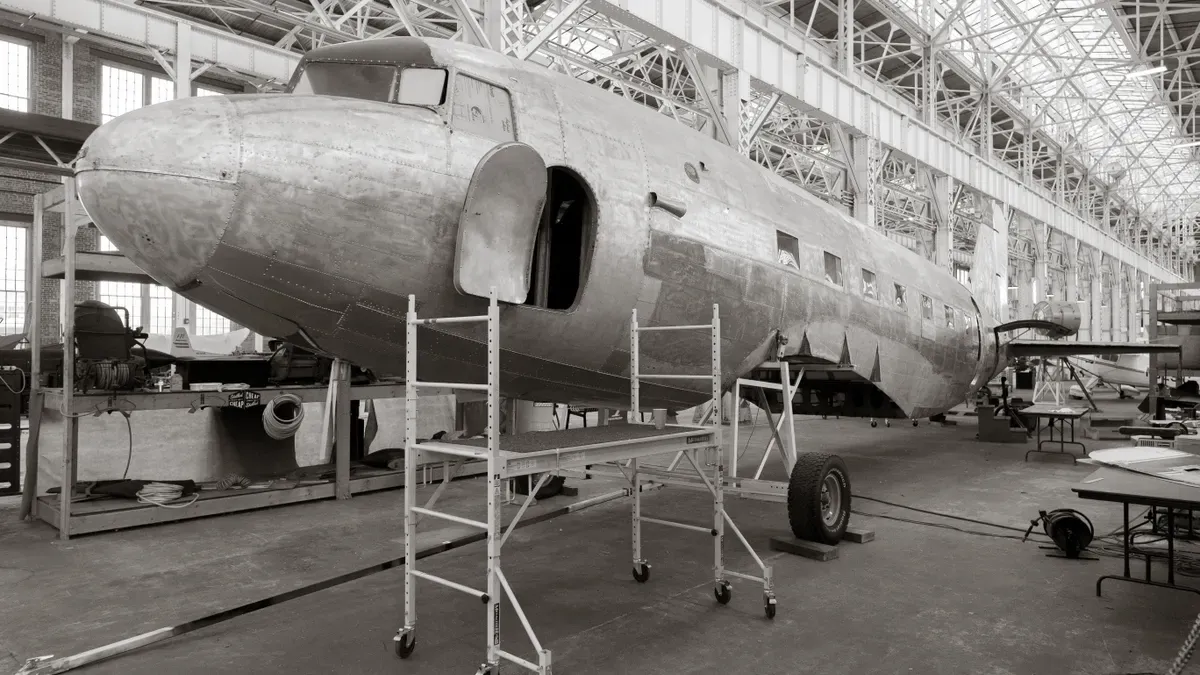
Image Source: pexels
Design Rule: Engineers pick 7075-T651 for top strength. It works in thin parts under three inches. They choose 7050-T7451 for thick parts. These parts need high fatigue resistance and corrosion resistance.
Aerospace engineers check materials carefully for critical aircraft parts. The 7050 vs 7075 comparison depends on part thickness. 7075 aluminum gives the best strength in thin parts. But 7050 aluminum keeps strong inside thick parts. This tough metal protects flight parts against bad weather. So, aircraft builders need these metals for good flying.
Choose 7075 aluminum for thin parts under three inches to get maximum strength.
Pick 7050 aluminum for thick parts to keep deep strength and stop rust.
Use rivets or strong glue instead of heat welding to avoid structural cracks.
Check official material rules early to avoid project delays and control costs.
Metal scientists make 7000 series aluminum alloys. These strong metals work in extreme flying places. Standard 7075 aluminum uses zinc, magnesium, copper, and chromium. This mix creates high strength.
Element | Weight Percentage Limit (%) |
|---|---|
Zinc (Zn) | 5.1 – 6.1 |
Magnesium (Mg) | 2.1 – 2.9 |
Copper (Cu) | 1.2 – 2.0 |
Chromium (Cr) | 0.18 – 0.28 |
Iron (Fe) | Max 0.50 |
Silicon (Si) | Max 0.40 |
Manganese (Mn) | Max 0.30 |
Titanium (Ti) | Max 0.20 |
Aluminum (Al) | Remainder |
Metallurgical Shift: Designers swap chromium for zirconium in 7050 aluminum. Zirconium builds tiny particle groups inside. They stop grain growth during cooling.
Copper amounts change how aerospace metals perform. More copper stops rust in thick parts. Yet, studies show extra copper lowers fracture toughness. Higher copper turns grain breaks into intergranular failures. Metal creators balanced these elements carefully. This balance keeps aircraft parts safe.
Quench sensitivity shows cooling speed effects on metal. Quenching must not destroy inside property strength. Thick metal blocks cool slowly inside. The outer skin cools much faster.
Thick 7075 aluminum parts lose inside strength. Parts over three inches cool too slowly. Heat processing creates coarse particles inside. These big particles steal needed strength from metal.
Zirconium fixes this big cooling problem. This simple element lowers quench sensitivity fast. Heavy metal parts stay strong clear through.
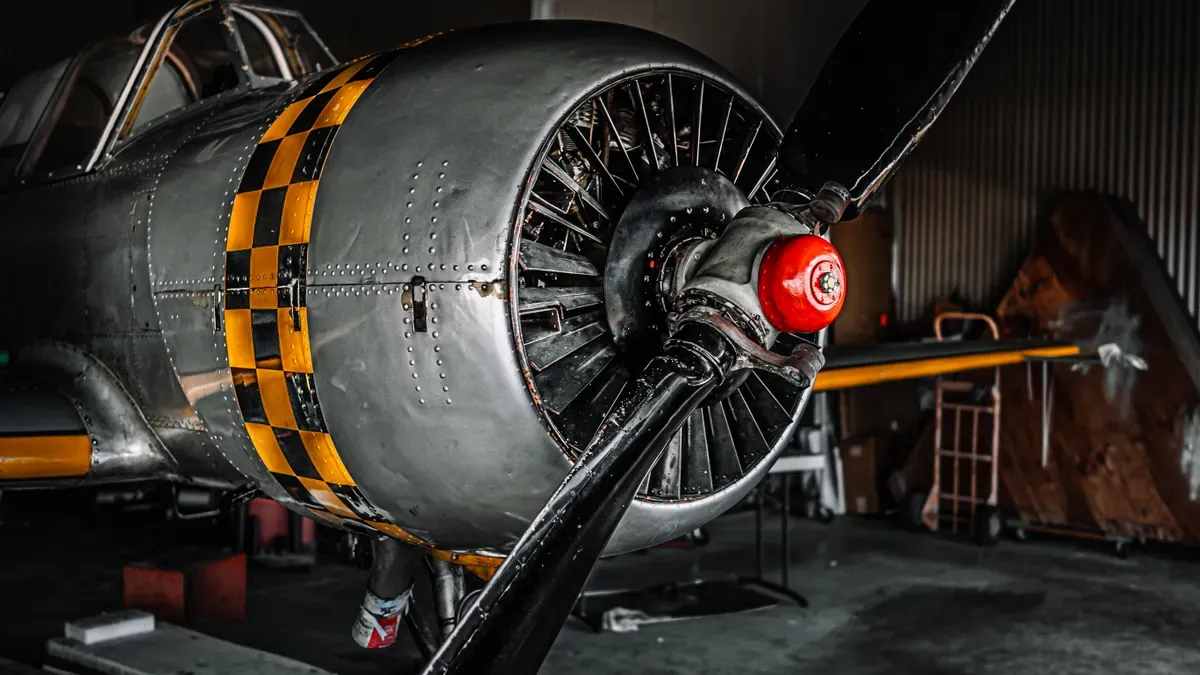
Image Source: unsplash
How metals act guides material choices for planes. Engineers study these numbers for 7050 vs 7075.
Alloy Temper | Ultimate Tensile Strength (UTS) Minimum | Tensile Yield Strength Minimum |
|---|---|---|
7075-T651 | 73 ksi | 63 ksi |
7050-T7451 | 70 ksi | 60 ksi |
Top heating makes 7075 aluminum strong and hard. Designers pick this alloy for tough jobs. It offers a great strength-to-weight balance.
General Fatigue Performance: 7075-T651 handles repeated stress very well. It lasts through endless flight stress cycles.
Structural Applications: Builders use 7075 aluminum in heavy plane parts. These parts include wing skins, spars, and frames.
Tough flight settings demand durable aircraft metal parts. 7050 aluminum provides strong power and stops cracks. Thick structural pieces gain huge benefits from this mix.
✈️ Engineering Focus: 7050 aluminum stays very strong inside thick parts. It stops sudden stress cracks during heavy load changes.
Heat shifts metal grain patterns inside aerospace alloys. Overaging to T74 trades tiny strength for durability. It boosts resistance to stress and bad weather.
Metallurgical Parameter | T6 Peak-Aged Temper | T74 Overaged Temper |
|---|---|---|
Aging Process | One step heat aging | Two step controlled aging |
Microstructure & Precipitates | Tiny tightly spread tiny zones | Larger spread stopped growth zones |
Grain Boundary Network | Full continuous tight line pattern | Broken line pattern stops decay paths |
Electrical Conductivity | 31.0 – 33.0 % IACS | 38.0 – 41.0 % IACS |
Thick metal blocks cool too fast. They lose internal strength.
Standard 7075 aluminum loses power fast. This happens in parts over 3 inches thick.
However, 7050 aluminum stays strong deep inside.
Engineers select these heavy plates. They build large fuselage bulkheads. They also make wing ribs.
This special material keeps uniform strength everywhere. Its center stays as tough as its surface.
Therefore, heavy frames resist fatigue well. They handle continuous flight loads easily.
Harsh flight environments damage heavy airplane structures.
Salty air and moisture attack high-stress zones.
Special heat treatments stop stress corrosion. They protect critical aircraft parts.
This process also blocks surface peeling damage. It works well in bad weather.
The improved inner metal structure stops sudden cracks. Parts last through long flight lifespans.
Making heavy parts needs stable materials. Metal cutting must be very steady.
Machinists hit tight target sizes easily.
7050 aluminum resists bending under stress. High-speed milling runs smoothly.
However, designers know strict joining limits. 7000-series alloys cannot weld easily:
Cracking Susceptibility: Strong airplane aluminum welds poorly. Heat creates tiny cracks inside.
Fusion Welding Limitation: Severe weld damage prevents melting parts together. Flight sections stay unsafe.
Alternative Joining Methods: Workers use electric spot welding. They also use rivets or strong glue.
Image Source: pexels
Planes use 7075 aluminum for thin parts. This alloy fits sheets under three inches. Upper wing skins get super strong. Small airplane pieces stay very light. Planes run much better this way. Thin metal holds high stress well. It adds no extra heavy weight.
Big plane frames need deep strength. Engineers pick 7050 aluminum for bulkheads. They use it for thick ribs. Heavy parts need great crack protection. This metal builds safe flight structures. It lasts through many long trips. Thick blocks keep high center power.
Metal supply guides factory build choices. Teams read material specs before buying. They check rules for aircraft stock.
Aluminum Alloy & Temper | Primary Governing AMS Specification | Additional Specifications |
|---|---|---|
7075-T651 | AMS-QQ-A-250/12 | AMS 4044, AMS 4045, AMS 4123 |
7050-T7451 | AMS 4050 | AMS 4201 |
Supply Note: Managers compare metal prices with real performance.
Easy metal shipping keeps basic supplies full. Thick 7050 aluminum plates need extra time. Early ordering helps workers finish parts fast. New plane plans balance cost and safety.
Engineers check sheet thickness and stress risks before picking metals. Part size mostly controls the 7050 vs 7075 choice. 7075 aluminum gives maximum strength in thin parts under three inches. Meanwhile, 7050 aluminum fights rust best inside thick aerospace parts over three inches.
Component Thickness | Recommended Alloy | Key Benefit |
|---|---|---|
Thin (< 3 inches) | 7075-T651 | High yield strength |
Thick (> 3 inches) | 7050-T7451 | Toughness and corrosion resistance |
Action Step: Designers must read AMS rule sheets early. They should talk to metal suppliers when buying main airplane parts.
No. Technicians do not use heat welding here. High heat makes small cracks inside as it cools. Instead, workers connect these plane parts with metal rivets. They also use special bolts or strong glue.
Key Takeaway: Bolts and glue protect 7000-series parts much better.
7050 metal stays tough during heat cooling steps. Thick 7075 parts lose strength in slow-cooling centers. Yet, 7050 keeps strong crack and rust resistance. This power works in heavy blocks over three inches.
7075-T651 gives maximum strength and top surface hardness. Thin metal sheets under three inches cool very fast. They lose no power during this process. So, this metal offers great strength for outer wings.
Zirconium replaces chromium inside the 7050 metal mix. This element forms tiny particles to stop grain growth. This happens during deep heat treatment steps. As a result, zirconium helps thick blocks stay strong.